

Picture this: Spring has arrived and the daffodils are blooming. It’s time to jump on the bike and head for a distant watering hole. Could anything possibly go wrong...? Nothing, if you prepared the bike carefully for its winter layup.
In preparation for the cold weather, you’ll need to start by thoroughly washing the bike to remove last season’s road dirt, salt and grease deposits. The paint needs waxing and the exposed metal and chrome surfaces need coating with ACF-50. Lubricate and adjust the cables and apply a couple of drops of oil to the pivot points of the handlebar controls. Move on to lubricate the rear brake levers and rod, and pump some fresh grease into the swinging arm pivot. Clean, lubricate and adjust the rear chain.
Change the engine, gearbox and chain case oil as contaminants and condensation in the old oil can damage your engine internals while left standing. Clean or change the oil filters.
Remove and charge the battery. Store it in a warm dry place and maintain the charge by period top-ups or by using a charger with a winter maintenance capacity that will do the job for you. Clean, check and lubricate the ignition points. (if you still have them).
Inflate the tyres to your preferred pressures and if possible, put the bike on the centre stand and chock it so both tyres are off the ground.
Unfortunately, nowadays our preparations have to consider the composition of the fuel that we’re encouraged to use, in particular the ethanol content. Ethanol attacks some materials directly and, by absorbing water from the atmosphere, causes corrosion in the petrol tank and the carburetters. Leave E10 in your tank and carburetters over the winter in a “dry” shed and the result is the sorry collection of corroded Concentric parts shown here!
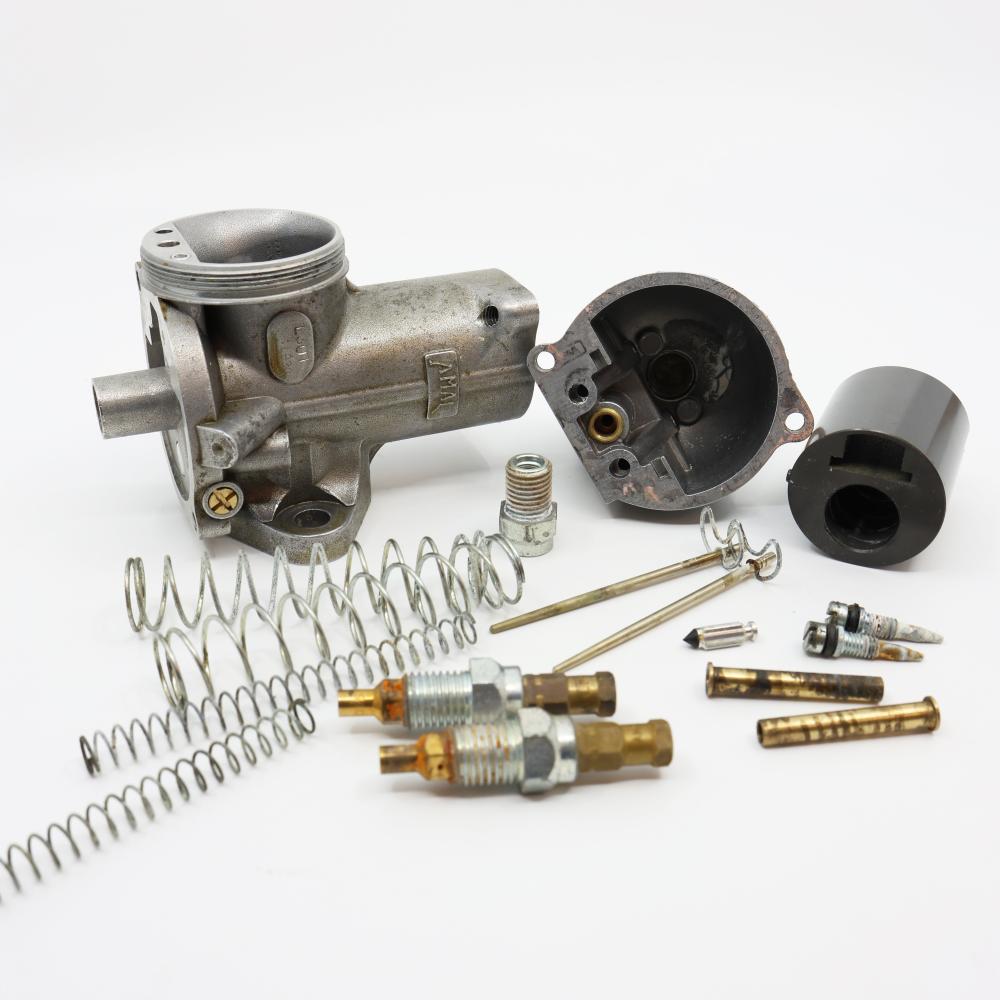
These carburetters still worked after a fashion, but with the transfer holes in the needle jets blocked and corroded needles the bike wasn’t rideable! Clearly simply draining the carburetters may not be enough to avoid damage.
The strategy to protect the petrol tank can be fill it to the brim with petrol so there’s no room for any water to be absorbed, use an ethanol treatment which creates an oily layer on the top of the fuel to exclude water, or drain the tank and spray it with WD-40 to leave an oily protective layer over the metal. Don’t forget to remove the main tap to drain any residual puddles.
Carburetters can be drained but for complete protection will also require WD-40 to be applied throughout to protect the surfaces from corrosion with a fine oily residue, that will wash away come Spring. Detach the fuel lines from the carburetters so they drain and clean the banjo filters.
Concentric carburetters need the float chamber and jet holder removing to stop fuel remaining in the well around the needle jet, and in the banjo, and are also going to need a blast of WD 40 into the air passages at the back of the carburetter, into the main bore with the slide held open to expose the needle, and into the gallery behind the Pilot air Screw. Spray the needle valve and seat before re-assembly.
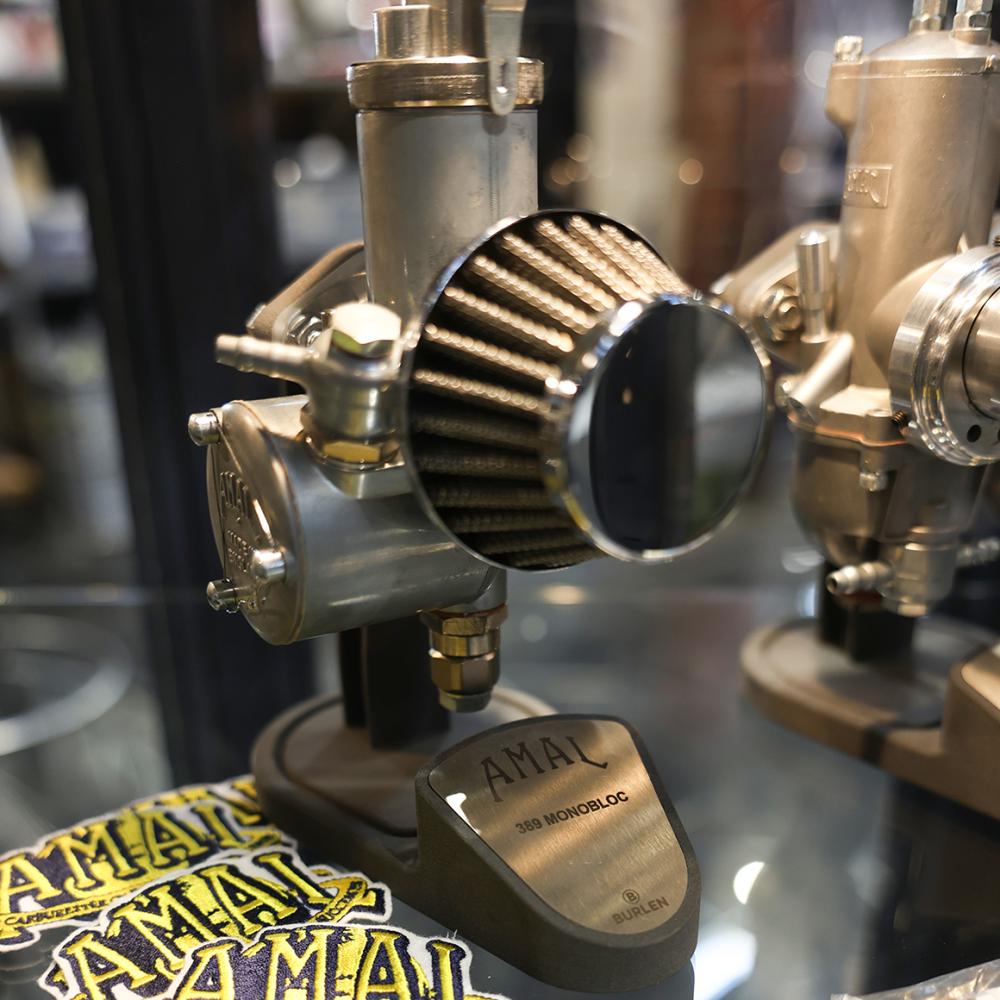
Monobloc carburetters can be drained by removing the Main Jet Cover Nut and the Pilot Jet Cover Nut. Remove the jet holder and spray up into the interior of the carburetter. The vertical Pilot Jet should drain fuel away but when they do block, they can be impossible to clear, so it requires a quick blast for protection.
Remove the float chamber cover and clean and spray the float needle valve and its seating. Again, raise the slides and spray the needle and down the spray tube into the needle jet and main jet.
Pre-Monobloc carburetters require the float chamber to be detached, the top removed and the interior sprayed. Don’t forget the gallery running through the arm.
Remove the large Mixing Chamber Union Nut and needle jet from the carburetter and spray up into the jet block. The small hole in the bottom of the jet block needs particular attention as it draws the fuel up to the pilot jet. Finally raise the slide and spray to protect the needle.
Finally, remember to position the bike carefully in the garage, shed, or conservatory so it looks it’s best when you nip out to escape from the relatives at Christmas!
Contact our Amal experts for more classic motorbike advice.