


One of the technical queries we quite often get here at Burlen is 'How do I identify the type of HIF carburettor I have?'
Keep reading or watch this video to understand the subtle differences between the different types, as some components aren't cross compatible between the earlier HIF6 model and the later HIF44 designs.
On the casting of the earlier HIF6 carburettor, it's visually identifiable because what you have on the side of the carburettor where the fuel feed is, next to it, is the overflow tube on the round pad casting.
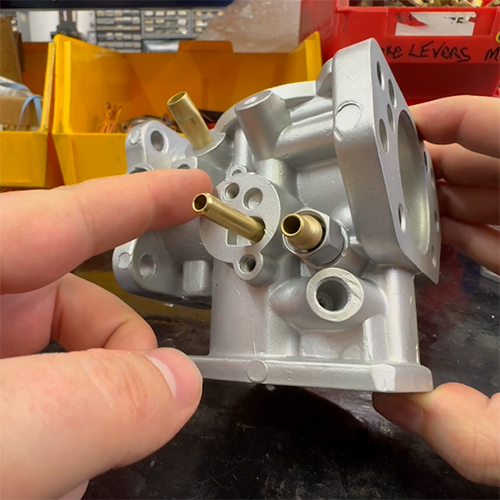
The other difference is that when you look down at the top to the side, the throttle stop screw will be attached to the lever, and that's acting directly onto the pad like a traditional HD or H type carburettor.
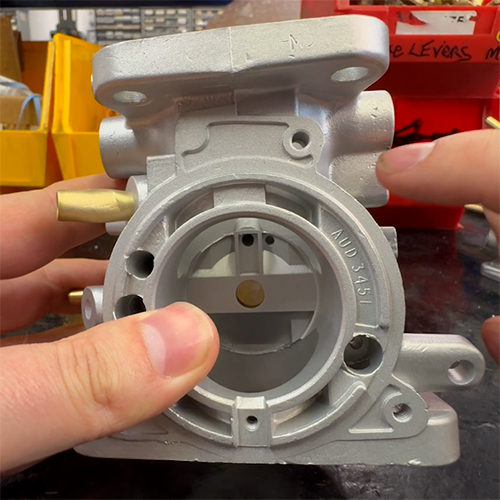
On a later HIF44 carburettor, however, SU changed the position of one of the tubes - so you still have the fuel feed in on the side, but instead of having the overflow next to it, it comes out on an angle to let the float chamber breathe.
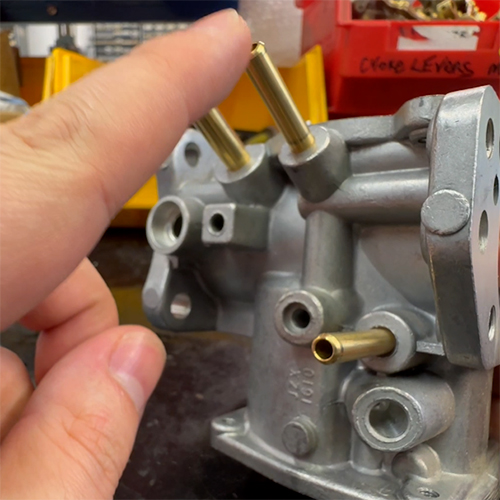
And then when you look top down on the carb, you also have this additional lug where the mixture screw goes down through to act onto the throttle stop.
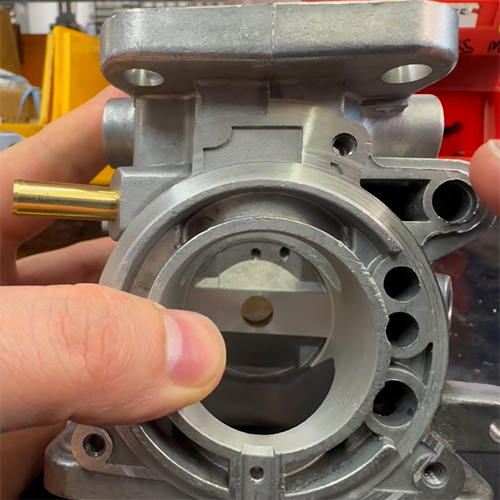
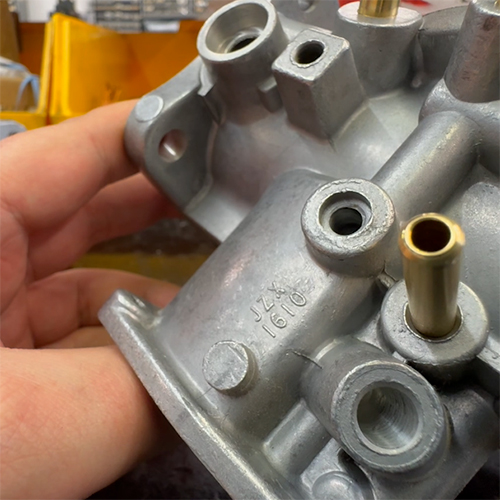
The other difference to check is that most of the HIF44 castings normally have a casting number, for instance JZX1610 or JZX1611 which are the most common sizes.
There is also one other variation, which is the HIF7 caburettor. It's a bit of an unusual one because it's visually similar to the earlier HIF6, in that you have the overflow tube next to the fuel inlet. But you'll notice on the side that there's a difference.
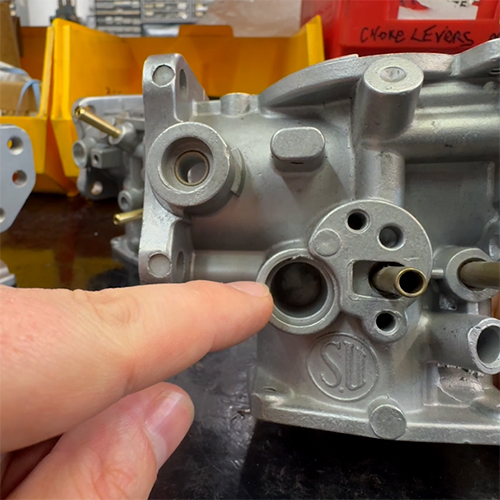
The blank section is here and on the other side, because there's no actual choke spindle fitted to the carburettor, unlike on the HIF6 or the HIF44 where they've got the slot for a choke spindle. This is because the HIF7 is designed to work with an automatic enrichment device.
There's no choke spindles, so the HIF7 is a bit of an oddball. Occasionally classic car owners will pick these up second hand, thinking the choke can be fitted to cars that need a HIF44, butit won't fit. So it's always a good idea to keep an eye out for this before making a purchase.
We hope that visually seeing the difference between the three HIF carburetter models makes it easier to identify which model you have.
If you would like more technical and instructional advice for SU carburettors from the Burlen experts, head over to our Technical section or get in touch today.
Keep reading or watch this video to understand the subtle differences between the different types, as some components aren't cross compatible between the earlier HIF6 model and the later HIF44 designs.
On the casting of the earlier HIF6 carburettor, it's visually identifiable because what you have on the side of the carburettor where the fuel feed is, next to it, is the overflow tube on the round pad casting.
The other difference is that when you look down at the top to the side, the throttle stop screw will be attached to the lever, and that's acting directly onto the pad like a traditional HD or H type carburettor.
On a later HIF44 carburettor, however, SU changed the position of one of the tubes - so you still have the fuel feed in on the side, but instead of having the overflow next to it, it comes out on an angle to let the float chamber breathe.
And then when you look top down on the carb, you also have this additional lug where the mixture screw goes down through to act onto the throttle stop.
The other difference to check is that most of the HIF44 castings normally have a casting number, for instance JZX1610 or JZX1611 which are the most common sizes.
There is also one other variation, which is the HIF7 caburettor. It's a bit of an unusual one because it's visually similar to the earlier HIF6, in that you have the overflow tube next to the fuel inlet. But you'll notice on the side that there's a difference.
The blank section is here and on the other side, because there's no actual choke spindle fitted to the carburettor, unlike on the HIF6 or the HIF44 where they've got the slot for a choke spindle. This is because the HIF7 is designed to work with an automatic enrichment device.
There's no choke spindles, so the HIF7 is a bit of an oddball. Occasionally classic car owners will pick these up second hand, thinking the choke can be fitted to cars that need a HIF44, butit won't fit. So it's always a good idea to keep an eye out for this before making a purchase.
We hope that visually seeing the difference between the three HIF carburetter models makes it easier to identify which model you have.
If you would like more technical and instructional advice for SU carburettors from the Burlen experts, head over to our Technical section or get in touch today.